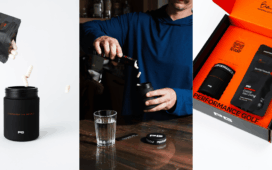

When Rory McIlroy slipped on the Green Jacket at the The Masters in 2026, most fans focused on his swing and composure. The Northern Irishman delivered one of the most complete performances of his career under intense pressure. Yet behind the scenes, attention has quietly shifted to what fuels that level of consistency. Reports have emerged that McIlroy uses creatine as part of his routine. He has even jokingly labelled it his “hit it further juice.”
That phrase has quickly captured the imagination of golfers everywhere. Distance remains one of the most sought-after advantages in the modern game. Players at every level are constantly searching for ways to gain a few extra yards. As a result, supplements that help you to hit the ball further are now under serious scrutiny. Creatine has moved from gym culture into golf performance conversations almost overnight.
With suggestions that McIlroy takes up to 20 grams per day, curiosity has turned into genuine interest. Golfers want to understand whether this approach can translate to their own games. The blend of power, endurance and mental sharpness required in golf makes the discussion more complex. This is not just about swinging harder, but sustaining performance across a full round. The rise of creatine reflects a broader evolution in how golfers approach preparation.
The supplement quietly reshaping modern golf performance
Golf has transformed dramatically over the past decade, shifting towards a more athletic and physically demanding sport. Players are no longer relying purely on technique and feel to compete at the highest level. Strength, conditioning and recovery have become central to performance. This change has opened the door for supplements that support those physical demands. Creatine has emerged as one of the most talked-about options.
Tour professionals now treat their bodies like elite athletes in any other sport. Training sessions, recovery protocols and nutrition plans are carefully structured. This level of detail was not always part of golf culture. The modern player is constantly looking for marginal gains that add up over time. Supplements are becoming part of that wider performance strategy.
Dan Richardson, Performance Nutritionist at Warrior, believes creatine fits naturally into this evolution. “Golf has completely changed physically over the last decade,” he explains. He points out that a full 18-hole round can take hours, often followed by practice or gym work. Creatine supports the demands of that schedule. It helps players maintain physical output across long and challenging days.
Why creatine is linked to distance gains
Distance remains a defining factor in modern golf, influencing everything from course strategy to scoring potential. Players who can generate higher clubhead speed often gain a clear advantage. This is where creatine becomes particularly relevant. It supports the body’s ability to produce short bursts of explosive power. That is exactly what a golf swing requires.
The mechanics of the swing rely on a rapid transfer of energy through the body. Even small improvements in power can translate into noticeable distance gains. Creatine helps fuel those explosive movements by increasing available energy in muscle cells. This can lead to more consistent speed through impact. Over time, that consistency becomes a competitive edge.
Dan Richardson explains the impact in practical terms. “From a physical standpoint, it supports your strength, power and those explosive movements that you see in the swing.” He adds that golfers chasing extra yards do not need complex interventions. “If you’re trying to generate more clubhead speed, it’s one of the easiest and most effective additions you can make.” The simplicity of that message is part of its appeal.
The mental edge golfers are starting to notice
Golf is often described as a mental game, and for good reason. Players must make constant decisions while managing pressure and expectations. A single lapse in concentration can undo an otherwise strong round. This makes mental endurance just as important as physical strength. Creatine is now being linked to improvements in this area as well.
Research suggests that creatine plays a role in brain energy metabolism. This can help support focus, clarity and decision making over long periods. For golfers, that could mean maintaining composure late in a round. It may also reduce the mental fatigue that builds after hours on the course. These benefits are starting to attract serious attention.
Dan Richardson highlights this growing interest in the cognitive side of performance. “Golf is a cognitive game with plenty of decision making,” he says. He emphasises the importance of staying composed under pressure. “More and more research indicates that creatine plays a role in brain energy metabolism.” The result is improved clarity and reduced mental fatigue during play.
Rory McIlroy’s approach signals a wider trend
McIlroy’s use of creatine reflects a broader shift in professional golf. Elite players are increasingly focused on every aspect of performance. Nutrition is now considered just as important as swing mechanics. This holistic approach is becoming the new standard. It is no longer enough to rely on talent alone.
Younger players entering the game are adopting these habits from the start. They understand the importance of building a complete performance system. This includes training, recovery and targeted supplementation. The influence of players like McIlroy accelerates this trend. When a major champion speaks, others tend to listen.
Dan Richardson sees McIlroy as a clear example of modern thinking. “Rory’s approach to nutrition is a great example of how modern athletes think about performance,” he explains. The nickname itself reflects a performance-driven mindset. “He calls it his ‘hit it further juice’ and we can see why.” It is a simple phrase with a powerful message behind it.
How a 20g daily routine actually works
The idea of taking 20 grams of creatine per day may seem excessive to some golfers. However, this approach often follows established supplementation strategies. It is typically divided into smaller doses throughout the day. This helps improve absorption and effectiveness. The goal is to maintain consistent levels in the body.
A common structure involves taking creatine before and after training. The pre-workout dose supports intensity and power output. The later dose helps with recovery and muscle replenishment. This combination allows athletes to train harder and recover more efficiently. Over time, that leads to improved performance.
Dan Richardson outlines this process clearly. “If you’re taking 10 grams pre-workout and another 10 grams later in the day, you’re giving yourself the ability to train harder.” He explains that recovery is just as important as training itself. The routine supports sustained output over time. It is a long-term strategy rather than a quick fix.

Recovery, consistency and staying sharp under pressure
Maintaining performance across multiple rounds is one of golf’s biggest challenges. Fatigue can build gradually, affecting both physical execution and mental focus. This is particularly true during tournaments with consecutive days of play. Recovery becomes essential in these situations. Creatine appears to offer support in this area.
By helping muscles replenish energy more efficiently, creatine can reduce the impact of fatigue. This allows players to maintain a higher level of performance for longer. It also supports quicker recovery between rounds. That means less decline in performance as the tournament progresses. Consistency becomes easier to achieve.
Dan Richardson explains the cumulative benefit of this effect. “The result is less fatigue, faster recovery between rounds and a greater ability to maintain precision under pressure.” These factors are crucial at the elite level. Small improvements can lead to significant results. For many players, this is where creatine delivers real value.
Why this isn’t about bulking up
One of the most common misconceptions about creatine is that it is only for building muscle mass. In reality, its role in golf is very different. The focus is on performance rather than appearance. Golfers need speed, coordination and endurance. Excess bulk can actually be counterproductive.
Creatine supports energy production rather than simply increasing size. This makes it suitable for athletes who rely on explosive movements. In golf, that translates to a more powerful and controlled swing. The goal is efficiency, not excess. This distinction is important for understanding its benefits.
Dan Richardson addresses this misconception directly. “It’s really not about size or aesthetics, it’s about performance,” he explains. The emphasis is on improving output rather than changing physique. This makes creatine appealing to a wider range of golfers. It fits naturally into performance-focused training.
The science behind the supplement boom
Creatine is one of the most researched supplements in sports science. Decades of studies have examined its effects on performance and safety. This extensive body of evidence sets it apart from many other products. It provides a level of confidence that is rare in the supplement industry. That credibility is driving its popularity.
Scientific research consistently shows improvements in strength and power output. These findings align closely with the demands of golf. The ability to produce explosive energy is a key component of the swing. Creatine supports this process at a cellular level. That makes it highly relevant to golfers.
Dan Richardson reinforces the importance of this scientific backing. “It’s low-cost, it’s safe, it’s effective and it’s backed by more research than any other supplement out there,” he says. This combination of factors makes it accessible and reliable. Golfers can trust the evidence behind it. That trust is a major reason for its growth.
Should amateur golfers follow suit?
Amateur golfers are naturally curious about what the professionals are doing. The idea of gaining extra distance through supplementation is appealing. However, it is important to keep expectations realistic. Creatine is not a substitute for proper technique. It should be viewed as a complement rather than a solution.
Players still need to focus on improving their swing and overall game. Coaching, practice and fitness remain the foundations of progress. Supplements can enhance these efforts but cannot replace them. This balanced approach is essential for long-term improvement. It prevents unrealistic expectations.
For those already committed to improving their game, creatine may offer an additional edge. It can support training intensity and recovery. Over time, these benefits can contribute to better performance. As always, individual needs should be considered. Consulting a professional before starting is a sensible step.
The future of supplements that help you to hit the ball further
The conversation around supplements in golf is only just beginning. As the sport continues to evolve, nutrition will play an increasingly important role. Players are constantly searching for ways to improve performance. Even small advantages can make a difference at the highest level. Creatine is part of that ongoing search.
McIlroy’s openness about his routine has brought the topic into the spotlight. Other players may follow his lead in the coming years. This could accelerate the adoption of supplements across the sport. Golfers at all levels are paying attention. The influence of elite players is powerful.
The phrase supplements that help you to hit the ball further now reflects a genuine shift in thinking. It is no longer just marketing language. It represents a new approach to performance and preparation. As research continues to develop, the role of supplements will expand. Golf is entering a new era of athletic optimisation.
Thanks to Warrior for providing exclusive quotes and information for this article. If you need some creatine in your golf life, you know where to go!