
A legal spat has broken out between The Royal and Ancient Golf Club of St Andrews and a newly formed golf business. The argument centres on who gets to use the word ancient. It might sound harmless, but in golf it carries serious clout. Both sides trade heavily on history. That is where the trouble starts.
As first reported by The Courier, the disagreement pits golf’s old guard against a new heritage focused challenger. The R&A is one of the most powerful institutions in the sport. The Ancient Links Golf Company is only a year old. However, it has big plans rooted in the game’s past. That makes this more than a paperwork dispute.
This is not about shots fired on the fairway. It is about branding, perception, and legacy. In modern golf, those things are worth protecting. Even a single word can become valuable. Especially when it is ancient.
St Andrews pushes back
The Royal and Ancient Golf Club of St Andrews has formally opposed a trademark application. The objection targets the name The Ancient Links Golf Company. It was lodged late last year. The opposition has now been confirmed publicly. That move immediately turned heads.
The R&A has kept its comments brief. A spokesperson confirmed the opposition but declined to say more. That silence is standard during trademark proceedings. Still, actions speak louder than words. The club is clearly defending its turf.
For centuries, the R&A has been tied to golf’s origins. Its authority stretches far beyond Scotland. Any suggestion of brand overlap is taken seriously. Trademark protection is part of that defence. Especially when another golf business operates in the same space.
New owners with old ideas
The Ancient Links Golf Company was founded in 2025. Its mission is simple and ambitious. It wants to buy and revitalise historic Scottish golf courses. The company sees itself as a modern custodian of tradition. That identity is central to its brand.
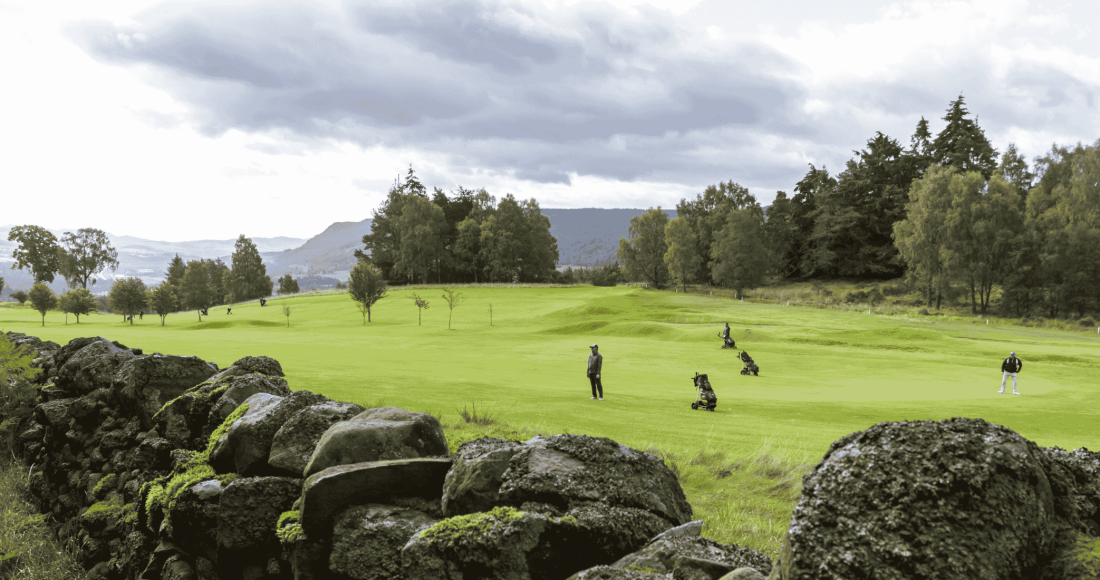
Its first major purchase was Scotscraig Golf Club in Tayport. Scotscraig is recognised as the world’s 13th oldest golf course. That gives it instant global significance. Buying it was a bold opening move. It also put the company under the spotlight.
Soon after the purchase, the firm applied to trademark its name. The application was submitted in August. It followed the usual process. By December, it hit opposition. That opposition came from St Andrews.
There is a wider reputation and PR risk with the spat
GolfTimes had an exclusive chat with Neil McKeown, a hugely respected sports PR and reputation specialist about the situation. “I doubt The Ancient Links Golf Company (TALGC) have done this for rumpus potential, and a bit of publicity. But, as copyright expert Alan Rae says, it’s a weird move, they must have known how it would go down at St Andrews.”
Neil continued, “TALGC have seen some good coverage over the last few months, after buying Scotscraig. As it stands, I don’t think they’ll see much reputational damage, but the trademark thing seems a little ham-fisted and avoidable. I can’t see an upside for them, do you really want to pick a fight with the Royal and Ancient?”
Why one word matters
Trademark expert Alan Rae explained the situation to The Courier. He said the clash was hardly shocking. Ancient may be a common word. But trademarks depend on context. Both parties operate in golf.
Rae pointed out that similar names can exist across different industries. Problems arise when businesses share the same market. In this case, both deal with golf courses and heritage. That raises the risk of confusion. Trademark law aims to avoid exactly that.
He also questioned the initial decision to press ahead. Trademark registers are there to flag issues early. Once opposition is filed, things slow down. Legal costs rise quickly. This situation may have been avoidable.
Ancient Links plays it cool
The Ancient Links Golf Company has tried to calm the waters. A spokesperson described the issue as routine. They said trademark disputes often arise during applications. The company stressed that talks have been constructive. There has been no public fallout.
According to the firm, dialogue with the R&A is ongoing. Both sides are said to be engaged. The company expects the matter to be resolved shortly. No timeline has been given. Optimism remains.
Public rows rarely suit heritage brands. Golf prefers quiet conversations to loud arguments. Both parties seem aware of that culture. Keeping things professional protects reputations. It also leaves room for compromise.
Big names behind the scenes
The company is led by Michael Wells and Adair Simpson. Both are former senior figures at Carnoustie Links. They played key roles in its move into private ownership. That background carries serious weight. It adds credibility to the project.
Their experience lies in managing iconic venues. That matters when heritage is involved. Trust is everything in historic golf. Wells and Simpson are well known in the industry. Their involvement signals long term intent.
The wider team includes Archie Paton, David Roberts, and Hamish de Run. Each brings specialist expertise.
Old traditions meet new golf business
The R&A was founded in 1754 in St Andrews. It remains one of the most influential bodies in world sport. Its role covers rules, championships, and development. That authority is closely tied to its name. Protecting it is essential.
This dispute reflects wider changes in golf. Private investment is increasing. Historic courses are becoming commercial assets. Branding now carries financial value. That makes clashes more likely.
At heart, this is about who speaks for golf’s past. Both sides believe they have a role. The resolution will likely be quiet. But the message will linger. In golf, even words have history.